
China Sets 2030 Target For Clean, Low-Carbon Energy System
China has unveiled an ambitious roadmap to establish a clean, low-carbon, secure and efficient energy system by 2030, reinforcing its commitment to accelerate the green transition while strengthening energy security and technological self-reliance.
The plan, jointly released by the National Development and Reform Commission (NDRC) and the National Energy Administration (NEA), outlines the country’s energy priorities under the 15th Five-Year Plan (2026–2030). It focuses on expanding renewable energy, modernising power infrastructure, enhancing energy security and reforming electricity markets.
Under the roadmap, China aims to increase its total energy production capacity to 5.8 billion tonnes of standard coal equivalent by 2030 while significantly improving the resilience and flexibility of its power system.

A key milestone of the plan is to ensure that non-fossil energy accounts for 25% of total energy consumption by the end of the decade. Wind and solar power are expected to contribute more than half of the country’s installed electricity generation capacity, overtaking conventional sources as the dominant form of installed power capacity.
The government also expects non-fossil energy to generate 50% of the nation’s electricity by 2030, marking a major shift towards cleaner energy sources. At the same time, China aims to see both coal and oil consumption peak before the end of the decade, supporting its long-term climate commitments.
To support the transition, the plan calls for accelerated investment in a modern energy infrastructure network that is resilient, intelligent, integrated and low-carbon. Authorities also aim to establish a new power system capable of efficiently integrating large volumes of renewable energy.
Technology development remains a central pillar of the strategy. China plans to achieve greater self-reliance in critical energy technologies and equipment across the industrial value chain while strengthening its position as a global leader in energy innovation.
The roadmap also includes reforms to improve electricity pricing and market mechanisms, with the goal of creating a unified national electricity market by 2030. In parallel, China will continue optimising fossil fuel production, improve coordination between energy supply and industrial demand and diversify its energy import channels to enhance long-term energy security.
The latest plan supports China’s broader dual-carbon goals of peaking carbon dioxide emissions before 2030 and achieving carbon neutrality by 2060. Having already built the world’s largest and fastest-growing renewable energy system, the country is positioning clean energy as the cornerstone of its future economic and industrial development.
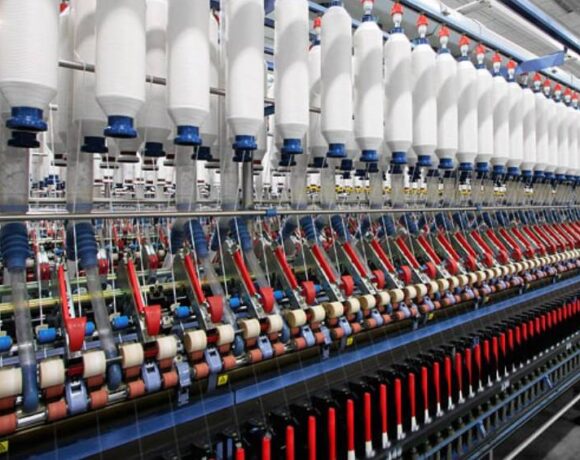
For energy-intensive industries, including textiles and manufacturing, the roadmap is expected to accelerate the availability of renewable electricity, strengthen green infrastructure and support the transition towards lower-carbon production in the years ahead.