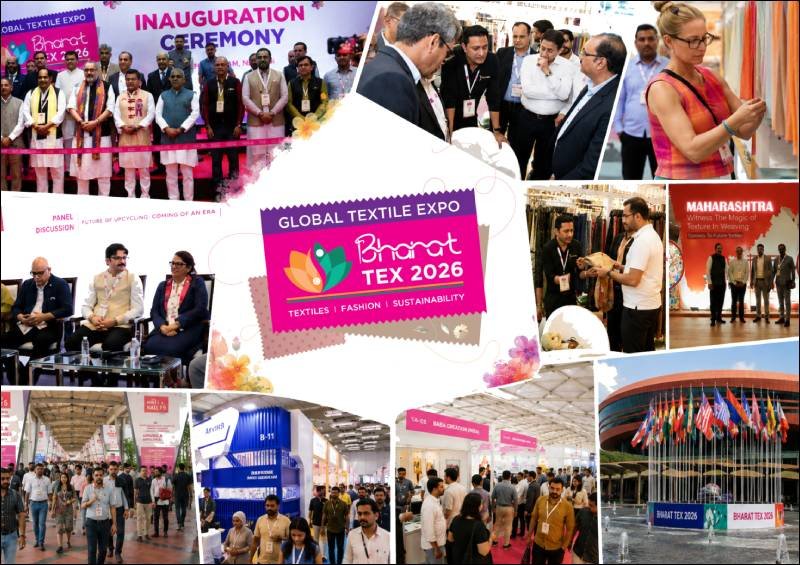
With record participation, major investment commitments, global partnerships and discussions spanning trade, technology and sustainability, Bharat Tex 2026 has emerged as more than an exhibition, it is becoming a platform for India’s textile ambitions. When Bharat Tex 2026 opened at Bharat
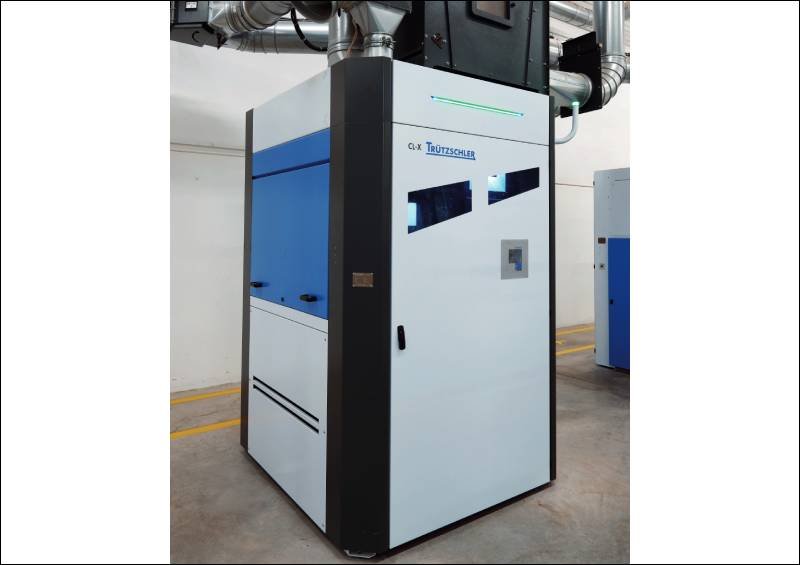
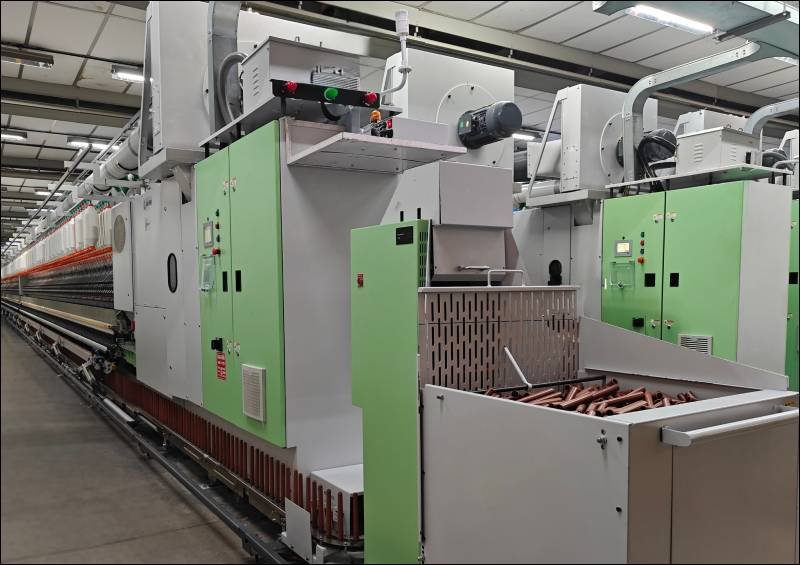
Trützschler Spinning’s CL-X Pre-Cleaner has established itself as a proven solution in blowroom lines worldwide, with hundreds of installations demonstrating high cleaning efficiency, lower waste generation, improved productivity and significant energy savings. Now, the technology is finding success beyond spinning preparation, with new applications in cotton ginning
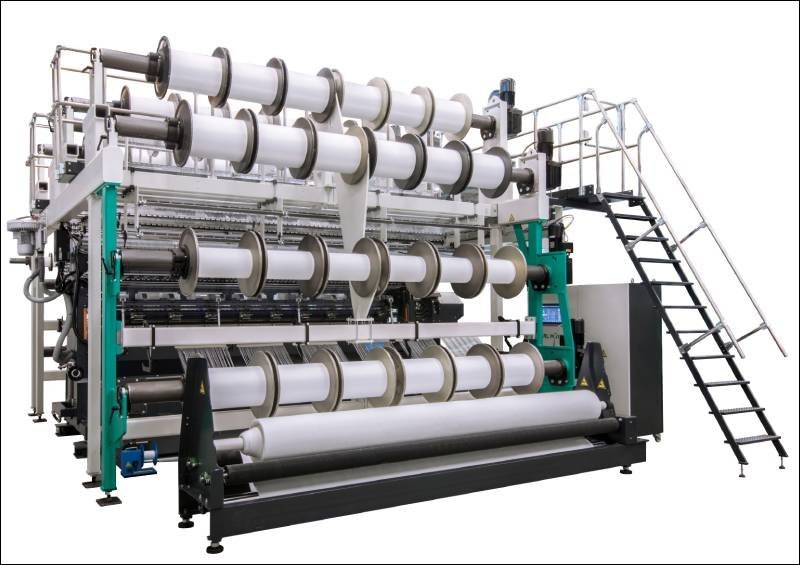
Karl Mayer has introduced the RDJ 7/3, a new Jacquard Double Needle Bar Raschel machine designed to meet the evolving demands of the athletic and casual footwear market. Featuring three jacquard bars, the machine offers unprecedented design flexibility, enabling manufacturers to create highly functional and visually striking spacer fabrics for a wide range of applications.
Cotton carded yarn continues to offer balance between cost efficiency and performance across spinning mills worldwide. Carded yarn plays a crucial role in meeting the demands of garmenting, knitting, and weaving sectors. With evolving expectations for consistency, strength, and reduced imperfections, mills today are under constant pressure to deliver superior yarn quality
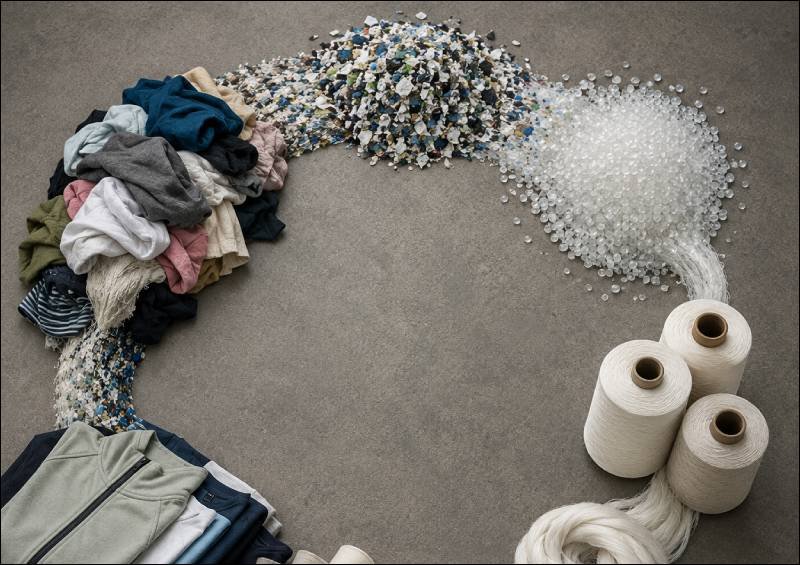
European Commission Study Highlights the Promise and Challenges of Closing the Loop on Textile Waste As the global textile industry races to meet ambitious sustainability targets, chemical recycling is increasingly being viewed as a critical technology for achieving true circularity, particularly for polyester-based textiles. A new report from the European Commission’s
A new report by Earth Action, developed in partnership with The Nature Conservancy, has revealed that global textile production generates approximately 92,000 tonnes of microfibre losses annually, while highlighting that coordinated industry action could reduce production-phase microfibre leakage by as much as 95 per cent by 2032. The study titled ‘From Shedding to
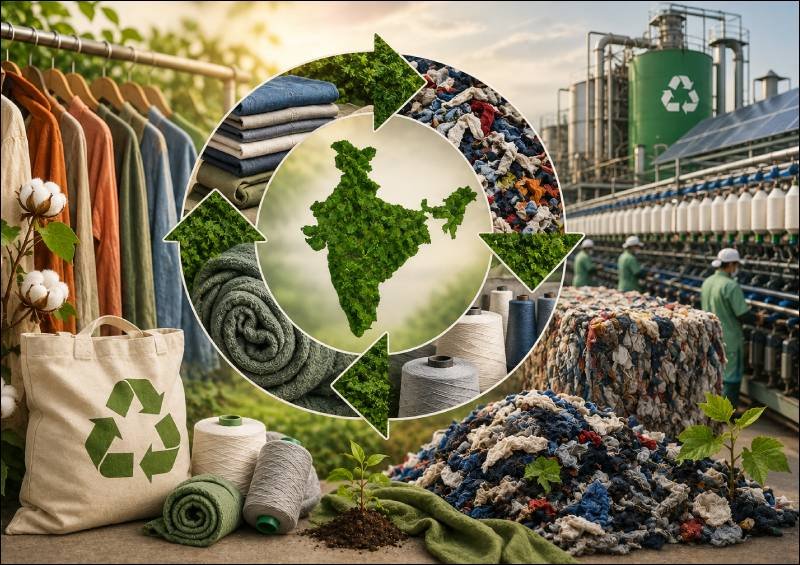
Sustainability is no longer a niche agenda for India’s textile industry. As global markets demand greater transparency, traceability and environmental responsibility, circularity is emerging as a strategic imperative for the sector’s next phase of growth. India’s textile and apparel industry has long been one of the country’s most important economic pillars.
Researchers at the German Institutes of Textile and Fiber Research Denkendorf, in collaboration with the Fraunhofer Institute for Applied Polymer Research, have developed smart textile yarns capable of reversibly changing shape in response to temperature, paving the way for energy-efficient textile actuators. The innovation is based on thermoplastic two-way shape-memory
For nearly two centuries, the country that grew some of the world’s finest cotton was not allowed to make much cloth from it. Colonial law taxed Indian-woven textiles until British mills in Manchester could undersell them — raw cotton left Indian ports one way and came back the other—spun, woven and priced by someone else. […]
Dr. Ajay Ranka believes the future of Indian cotton lies in restoring soil health, reducing chemical dependence and creating a profitable transition to bio-based farming. For Dr. Ajay Ranka, the future of Indian cotton farming will depend on one fundamental question: can the country improve soil health while making farming more profitable for the farmer? […]