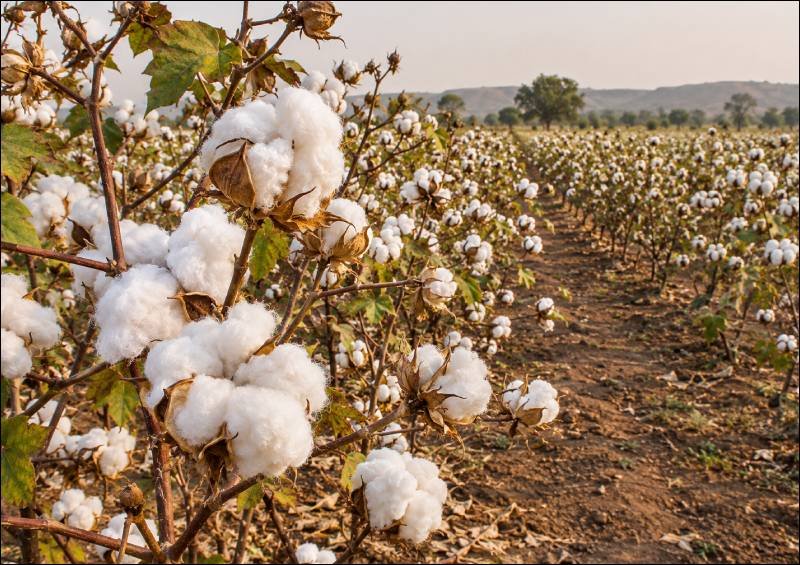
India’s cotton planting has held close to last year’s level, but deficient rainfall and depleted soil moisture are shifting attention towards crop performance and water availability. For India’s cotton-to-textile value chain, the area planted tells only part of the story. With the 2026
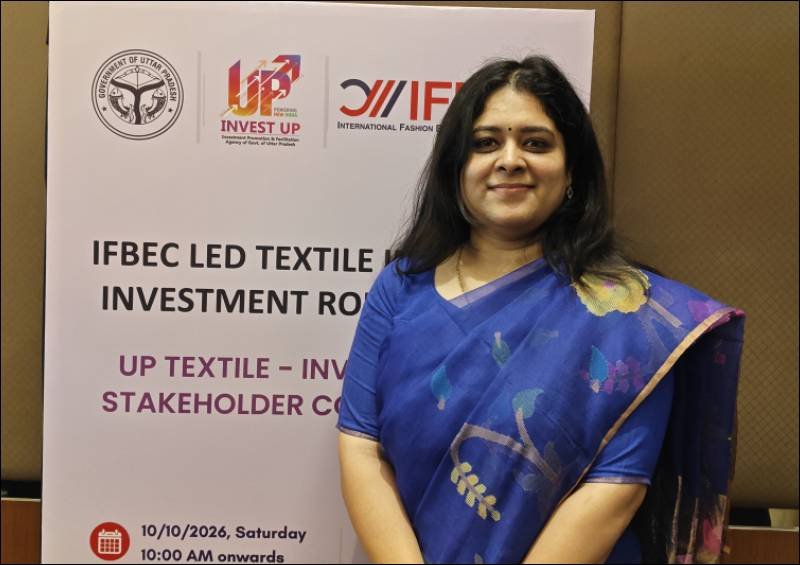
Uttar Pradesh is building its textile investment pitch around established manufacturing clusters, competitive incentives and a commitment to support businesses beyond the start of production. From Noida’s apparel hub and the Bhadohi–Mirzapur carpet belt to Kanpur’s technical textile base and the upcoming PM MITRA Park in Lucknow, the state aims to turn its existing
Fashion companies have become more transparent about sourcing policies, but progress on workers’ rights and environmental outcomes remains limited, according to Baptist World Aid Australia’s 11th Ethical Fashion Report. The report assessed 138 companies representing 543 brands, assigning an average score of 31.5 out of 100, just 0.2 points higher than in 2024. Worker
Indian manufacturers are rapidly transitioning from conventional, labour-intensive setups to automated, data-driven environments focused on efficient production, high-margin technical textiles, performance wear, and man-made fibres, says Navin Agrawal How do you view the current state of India’s textile industry, particularly the weaving and fabric-forming sector, in this
Knitting technology is evolving to meet manufacturers’ growing demand for productivity, flexibility and product differentiation. Advances in machine engineering, automation and digital connectivity are expanding fabric possibilities while helping manufacturers respond to changing market requirements. In this interview with Textile Insights, Neeraj Bansal, discusses the
By Henry Dsouza India’s knitting and allied machinery imports have surged, signaling a major investment cycle across the country’s textile manufacturing industry. But the export picture presents a more complex reality, while knitted fabric shipments have shown signs of recovery, exports of knitted apparel have come under pressure, highlighting the challenge of converting
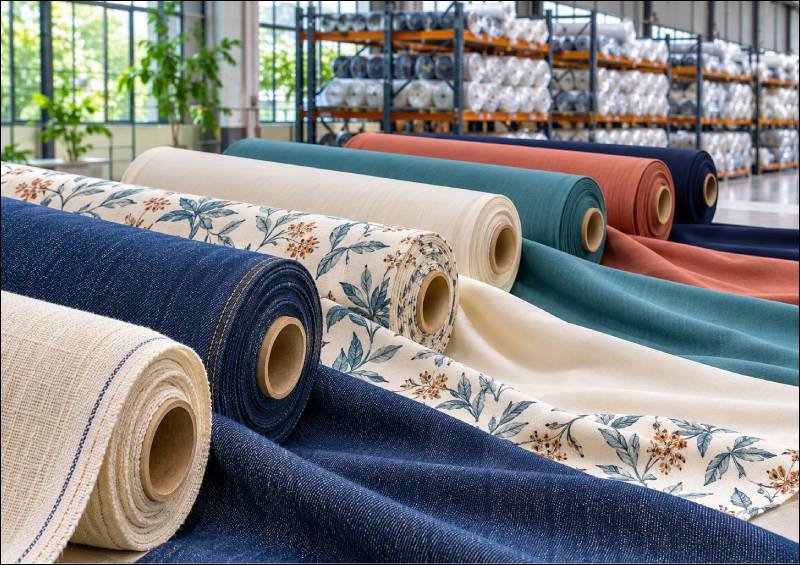
Importance of quality control, heat setting and energy efficiency By Abderrahmane Ben Aichouch In denim finishing, achieving the required fabric quality is not simply a matter of running a machine at a set temperature or speed. It requires a clear understanding of fabric construction, fibre composition, customer specifications and the behaviour of the material during […]
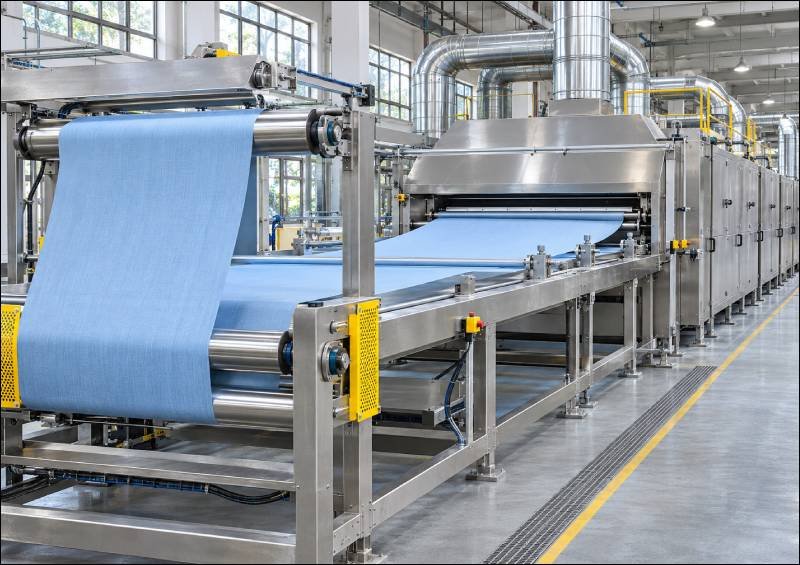
For Pranera Textiles, a Tirupur-based processor of polyester knitted fabrics for uniforms and sportswear, machine construction, automation and operating costs were key considerations when selecting a stenter. In this interview, Sivabalan Thangavelu shares his experience with InspirOn Engineering’s Motex 15000 Uniflo stenter, highlighting its productivity, lower power
By Henry Dsouza For a textile processor, a machinery purchase is a commitment to the orders the mill hopes to win tomorrow. India made that commitment more strongly in 2025, lifting imports of the selected processing machinery basket by 23.41% to US$ 321.44 million, from US$ 260.47 million in 2024. Yet the corresponding fabric export […]
By Henry Dsouza A new processing machine can improve what a mill is capable of producing. Winning repeat orders for that fabric is a separate commercial test. India’s trade figures bring that distinction into focus, while imports of the selected processing machinery basket increased 23.41% in 2025, exports in the supplied fabric basket grew a […]