Cotton Crunch Raises Concerns Across Textile Sector
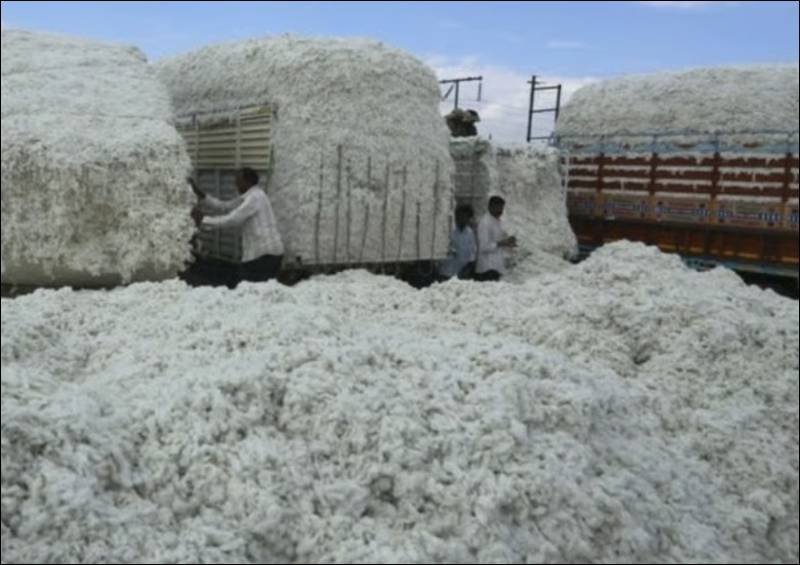
India’s textile and apparel industry has expressed concern over the sharp rise in domestic cotton prices and tightening raw material availability, warning that the situation could impact production costs, export competitiveness and profit margins in the coming months.
Leading textile manufacturers and export bodies have urged the Union Government to suspend the existing 11% import duty on cotton at least until December, citing a widening gap between domestic cotton production and industry demand.
During the latest earnings call of Vardhman Textiles, Managing Director Neeraj Jain cautioned that the industry could face a cotton shortage beginning in August due to limited domestic supplies. Similarly, management of Arvind Ltd indicated that rising cotton prices and higher input costs are likely to put pressure on margins during the first half of the financial year. The company said it has already secured a substantial portion of its raw material requirements through long-term contracts to mitigate inflationary pressures.

Export-oriented textile units across the country have also highlighted the increasing burden of raw material and logistics costs. Industry stakeholders warned that elevated cotton prices are making Indian products less competitive in global markets, especially when compared with textile manufacturing hubs such as Bangladesh and Vietnam, where imported cotton enjoys zero-duty access.
Dr A. Sakthivel, Vice Chairman of the Apparel Export Promotion Council, said that several manufacturers are hesitant to accept fresh export orders due to uncertainty over raw material costs and availability. He noted that the sustained supply-demand imbalance could weaken India’s position in price-sensitive international markets and reduce operational flexibility for exporters.
According to estimates released by the Confederation of Indian Textile Industry, India’s cotton production is projected at 291 lakh bales against an estimated consumption demand of 328 lakh bales, resulting in a deficit of nearly 37 lakh bales.
Dr. K. Venkatachalam of the Tamil Nadu Spinning Mills Association said the actual supply situation is more severe than the official figures suggest and alleged that speculative hoarding by traders has further tightened availability in the market. He added that imported cotton shipments typically require around 45 days to arrive and stressed the need for timely imports before the shortage becomes more acute.
Meanwhile, export performance of the sector has also come under pressure. Data released by The Cotton Textiles Export Promotion Council showed that India’s apparel exports declined 11.66% year-on-year in April 2026, while combined textile and apparel exports registered a decline of 3.42% during the same period.