
Global Nonwoven Fabric Market Projected To Reach US$ 87.9 Bn By 2033
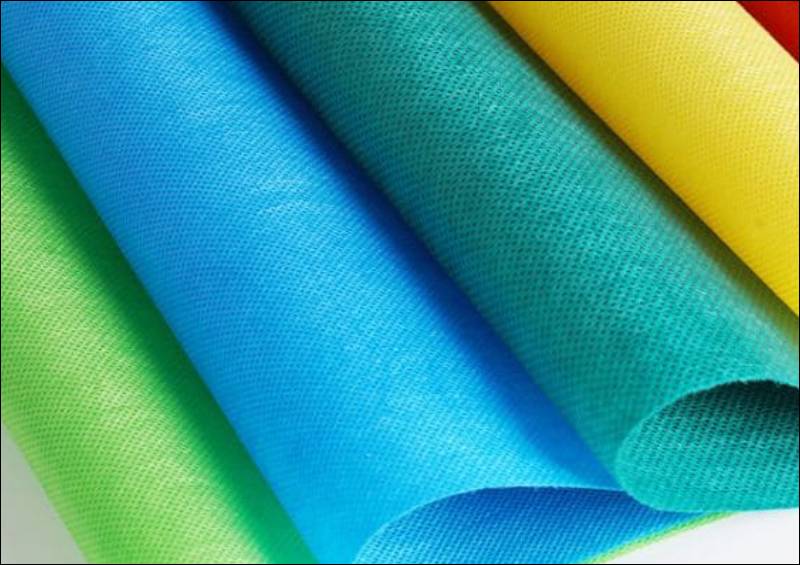
The global nonwoven fabric market is projected to grow from approximately US$ 60.4 billion in 2026 to US$ 87.9 billion by 2033, registering a CAGR of 5.5%, driven by rising demand from hygiene, medical, automotive and filtration industries.
Industry analysts attribute the growth to increasing consumption of disposable hygiene products, wider adoption of lightweight automotive materials, and expanding healthcare and industrial filtration applications. Nonwoven fabrics continue to gain traction due to their durability, lightweight performance, absorbency, cost efficiency and filtration properties.
The hygiene and medical segment remains the largest application area, supported by growing demand for baby diapers, feminine hygiene products, adult incontinence products, surgical gowns, face masks and medical wipes. Aging populations in developed markets and rising healthcare investments in emerging economies are further accelerating demand for medical-grade nonwoven materials.

The automotive industry is also emerging as a major growth driver, with automakers increasingly using nonwoven materials in interiors, insulation systems, cabin air filters and electric vehicle battery protection applications to improve fuel efficiency and passenger comfort.
A key development in 2025 was the formation of a global tissue-products joint venture between Kimberly-Clark Corporation and Suzano. Under the agreement, Suzano will acquire a 51% stake in the new entity for approximately US$ 1.73 billion, while Kimberly-Clark retains 49%. The partnership will combine tissue-product operations across more than 70 countries.
Regionally, Asia Pacific leads the market with around 44% share, supported by China’s large-scale manufacturing capacity and expanding hygiene-product demand. North America is the fastest-growing market due to rising investments in advanced nonwoven manufacturing and filtration technologies.
Spunbond technology continues to dominate the market with nearly 42% share, while meltblown nonwovens are witnessing rapid growth driven by rising filtration and medical applications.