
India’s Export Momentum Strengthens Textile Sector’s Global Ambitions
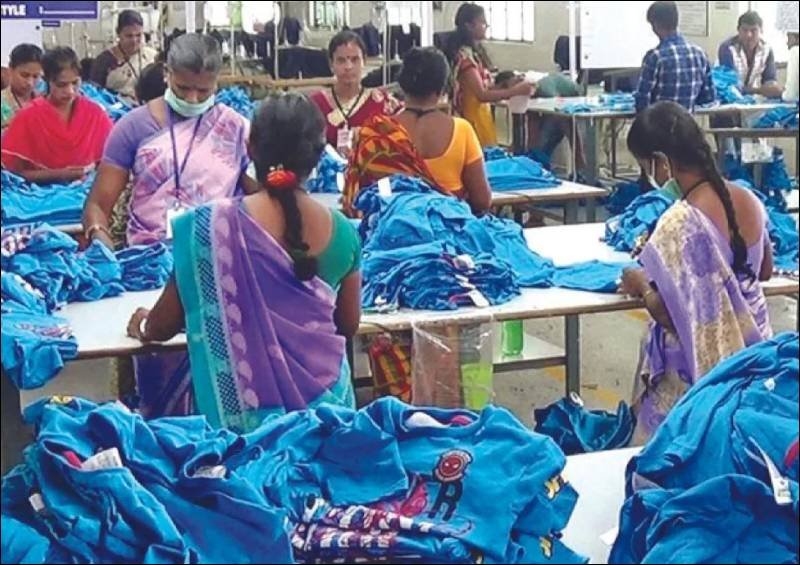
India’s export sector continues to demonstrate strong momentum, supported by policy reforms, enhanced digital infrastructure, improved logistics, and a series of trade facilitation measures, according to a senior official from the Ministry of Commerce and Industry.
Speaking at a regional media interaction jointly organised by the Apparel Export Promotion Council (AEPC) and the Department of Commerce in Jaipur, Senior Economic Adviser Agrim Kaushal highlighted the government’s efforts to position India as a leading global hub for textiles and apparel manufacturing.
Kaushal pointed to the Prime Minister’s 5F Vision – Farm to Fibre, Fibre to Factory, Factory to Fashion, and Fashion to Foreign, as the guiding framework for the sector’s development and export growth.

Addressing the session titled “Strengthening India’s Position in Global Apparel Trade: Opportunities, Challenges and the Way Forward,” he outlined several key government initiatives aimed at enhancing industry competitiveness. These include the Production Linked Incentive (PLI) Scheme, PM MITRA Parks, Mega Textile Parks, the National Technical Textiles Mission, and a range of export promotion measures.
“These initiatives have strengthened India’s textile value chain and improved the country’s competitiveness in global markets,” Kaushal said.
He also highlighted the opportunities emerging from India’s expanding network of Free Trade Agreements (FTAs) and the recently launched Export Promotion Mission, which are expected to create new avenues for market access and export growth.
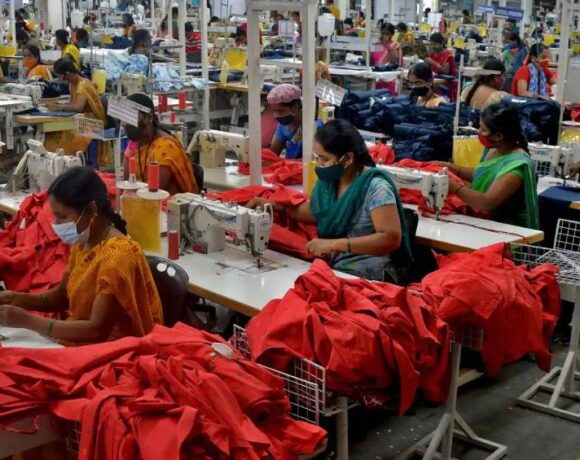
Focusing on Rajasthan’s contribution to the sector, Kaushal noted that Jaipur has emerged as the state’s largest apparel export hub, accounting for nearly 86 percent of Rajasthan’s ready-made garment exports.
“Exporters in Jaipur have successfully blended traditional craftsmanship with modern technology, enabling them to serve key international markets across the United States, Europe, the Middle East, and the Asia-Pacific region,” he said.
Rakshit Poddar, President of the Rajasthan Garment Exporters’ Association (GEAR), said Jaipur’s apparel exporters have adapted effectively to changing global consumer preferences while preserving the region’s distinctive design heritage and handicraft traditions.
Meanwhile, AEPC Executive Committee Member Aseem Kumar emphasised the need for greater investments in skill development, technology upgradation, sustainable manufacturing practices, and infrastructure enhancement to maintain India’s competitiveness in the global apparel trade.
Industry stakeholders at the event expressed optimism that ongoing and proposed trade agreements will further expand market opportunities for Indian apparel exporters, strengthening the country’s position in the global textile and apparel value chain.