
By Henry Dsouza Woven fabric and apparel exports rose to US$ 12,526.06 million in 2025, but fell 6.77% in the first half of 2026. Resilient fabric categories and some growing markets offer encouragement, even as weaker apparel shipments weigh on the total. India has been spending more on its
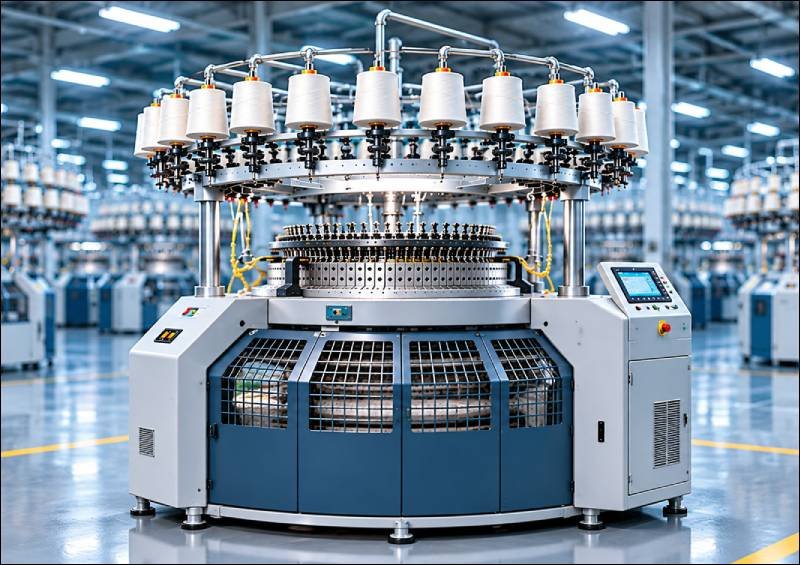
By Henry Dsouza India is emerging as the world’s most important market for knitting and allied textile machinery, with imports accelerating sharply even as global demand for the equipment begins to cool. Imports of knitting machinery (HS 8447), covering knitting machines, stitch-bonding machines and certain related textile machinery, shows that India accounted for almost
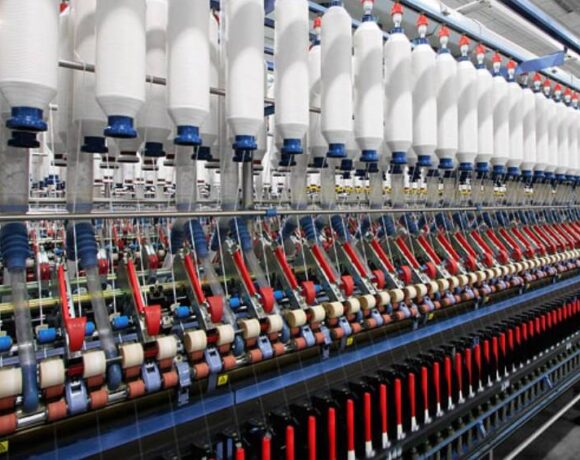
LMW’s focus is on automation, digitalisation, higher productivity, consistent yarn quality and energy efficiency, while also addressing one of the industry’s key concerns—optimising capital expenditure through smarter, more efficient and future-ready solutions, states S. Rajasekaran in this exclusive interview for Textile Insights India ITME brings together machinery
Digital textile printing is entering a new phase, one where speed is no longer the only measure of progress. Water consumption, sustainability, on-demand production, application flexibility and responsive service are increasingly influencing investment decisions. Orange O Tec is positioning itself around these changing requirements with a broader technology ecosystem
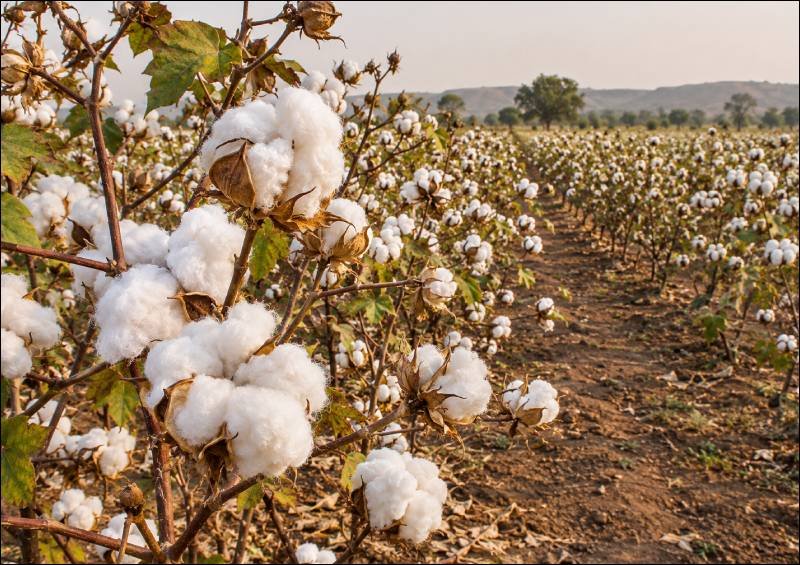
India’s cotton planting has held close to last year’s level, but deficient rainfall and depleted soil moisture are shifting attention towards crop performance and water availability. For India’s cotton-to-textile value chain, the area planted tells only part of the story. With the 2026 southwest monsoon ending below normal, the more pressing question is how effectively
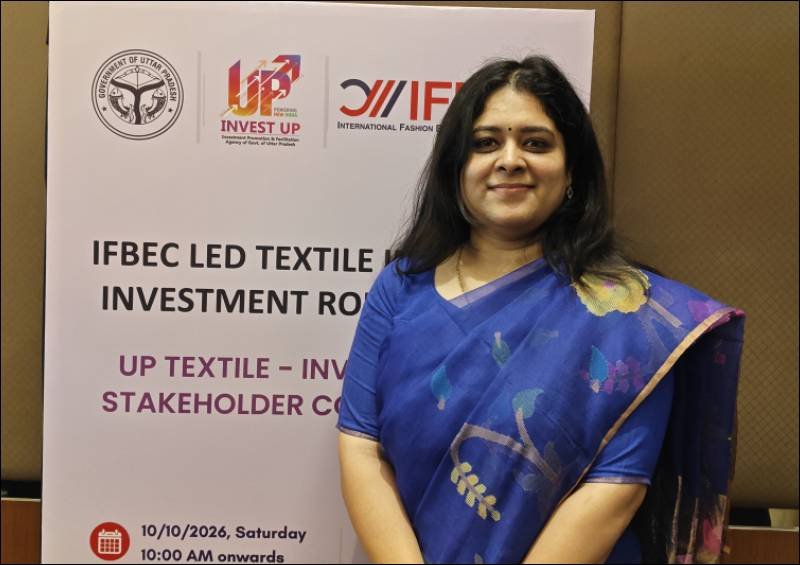
Uttar Pradesh is building its textile investment pitch around established manufacturing clusters, competitive incentives and a commitment to support businesses beyond the start of production. From Noida’s apparel hub and the Bhadohi–Mirzapur carpet belt to Kanpur’s technical textile base and the upcoming PM MITRA Park in Lucknow, the state aims to turn its existing
Fashion companies have become more transparent about sourcing policies, but progress on workers’ rights and environmental outcomes remains limited, according to Baptist World Aid Australia’s 11th Ethical Fashion Report. The report assessed 138 companies representing 543 brands, assigning an average score of 31.5 out of 100, just 0.2 points higher than in 2024. Worker
Indian manufacturers are rapidly transitioning from conventional, labour-intensive setups to automated, data-driven environments focused on efficient production, high-margin technical textiles, performance wear, and man-made fibres, says Navin Agrawal How do you view the current state of India’s textile industry, particularly the weaving and fabric-forming sector, in this
Knitting technology is evolving to meet manufacturers’ growing demand for productivity, flexibility and product differentiation. Advances in machine engineering, automation and digital connectivity are expanding fabric possibilities while helping manufacturers respond to changing market requirements. In this interview with Textile Insights, Neeraj Bansal, discusses the
By Henry Dsouza India’s knitting and allied machinery imports have surged, signaling a major investment cycle across the country’s textile manufacturing industry. But the export picture presents a more complex reality, while knitted fabric shipments have shown signs of recovery, exports of knitted apparel have come under pressure, highlighting the challenge of converting