Ralph Lauren Cuts Emissions 42% As It Advances 2030 Sustainability Strategy
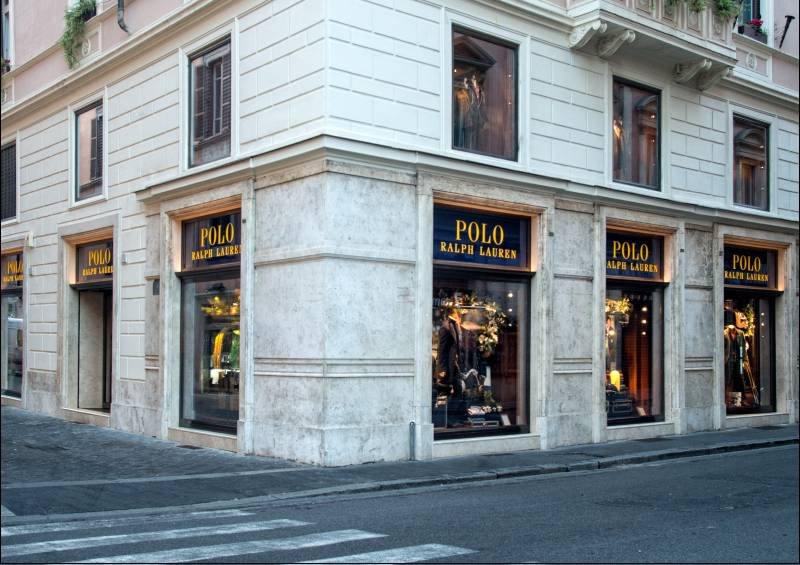
Ralph Lauren Corporation has reported a 42% reduction in absolute greenhouse gas emissions from its FY20 base year as the company completed the first year of its Timeless by Design 2030 global citizenship and sustainability strategy.
The US fashion and lifestyle company said it made progress across four key areas – industry collaboration, natural resource protection, employee engagement and community support during FY26.
Under the strategy, Ralph Lauren is focusing on reducing the environmental impact of its materials and production processes while strengthening partnerships across its supply chain. The company is also working to improve product longevity and support initiatives linked to regenerative agriculture and textile waste recycling.

A key focus during the first year was cotton. Ralph Lauren increased its use of regeneratively grown cotton and established a sourcing partnership supporting US cotton farmers adopting regenerative agricultural practices.
The company also expanded initiatives aimed at converting cotton waste into new textile yarns. The move is part of its efforts to increase material circularity and reduce waste generated across its operations and supply chain.
Ralph Lauren has also incorporated its freshwater reduction target into its supplier engagement strategy. The company said the approach is intended to encourage suppliers to adopt more efficient water-management practices across the supply chain.
The fashion group also continued its Design with Intent initiative, which integrates design considerations across product development. During FY26, the programme included three seasonal collections across Polo Ralph Lauren and Ralph Lauren Home, alongside an expansion of its network of Authentic Makers.
Beyond environmental initiatives, the Timeless by Design 2030 strategy covers workplace and community programmes.
Ralph Lauren said its Global Employee Annual Survey recorded engagement and enablement scores above the high-performing benchmark. The company said the results reflect its focus on employee development, wellbeing and workplace experience.
In its community initiatives, Ralph Lauren reported a 14% increase in global financial support for cancer-related organisations, including the Pink Pony Fund of The Ralph Lauren Corporate Foundation.
The company’s sustainability strategy is built around four pillars: Partner for Impact, Protect Natural Resources, Engage & Enable Teams and Care for Communities.
Partner for Impact focuses on industry collaboration and initiatives intended to influence the wider fashion ecosystem. Protect Natural Resources addresses materials, emissions, water and production-related impacts. Engage & Enable Teams covers employee programmes, while Care for Communities focuses on philanthropy and community initiatives.
The company said the first year of Timeless by Design 2030 also included efforts to protect heritage craftsmanship and strengthen collaboration with partners across its value chain.
Ralph Lauren’s FY26 Global Citizenship & Sustainability Report has been prepared using a framework partially aligned with future regulatory requirements. The company has published the report, supplementary information and progress updates against its Timeless by Design 2030 goals on its corporate website.
The company’s latest progress comes as fashion and textile companies face growing pressure to demonstrate measurable progress on emissions, responsible raw materials, water consumption and textile circularity. For Ralph Lauren, the 2030 strategy places these areas alongside product quality and longevity as part of its longer-term business approach.