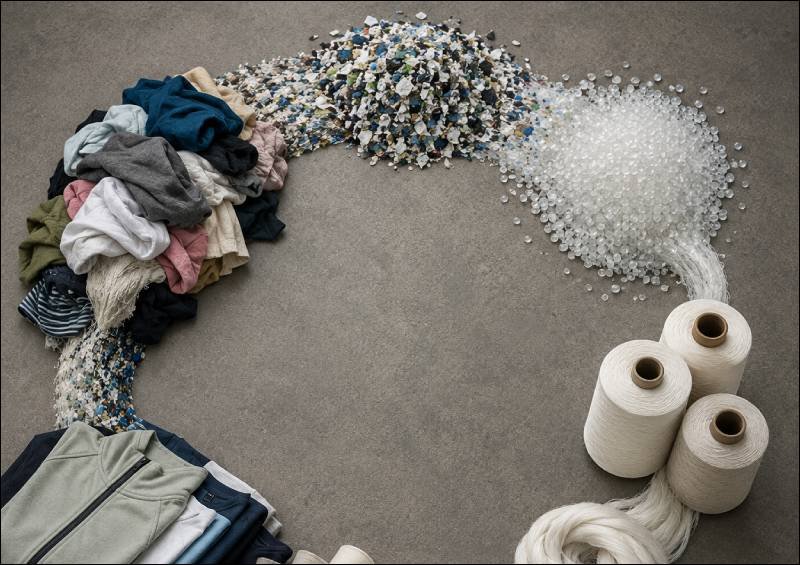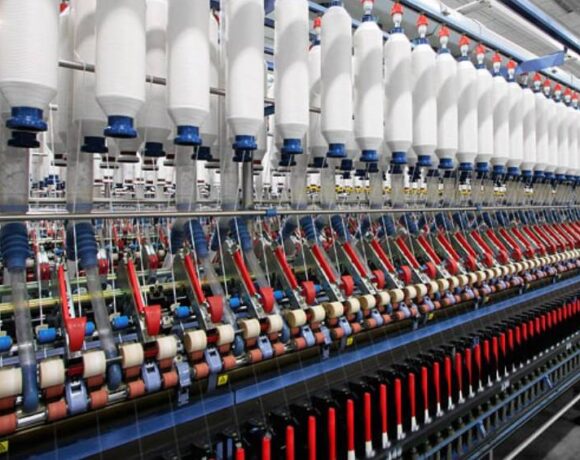
Textile-to-textile recycling is making rapid technological progress, but high costs, limited availability of suitable waste and inadequate infrastructure continue to keep the industry from achieving commercial scale, according to a new report by Textiles Intelligence. The 19-page report,
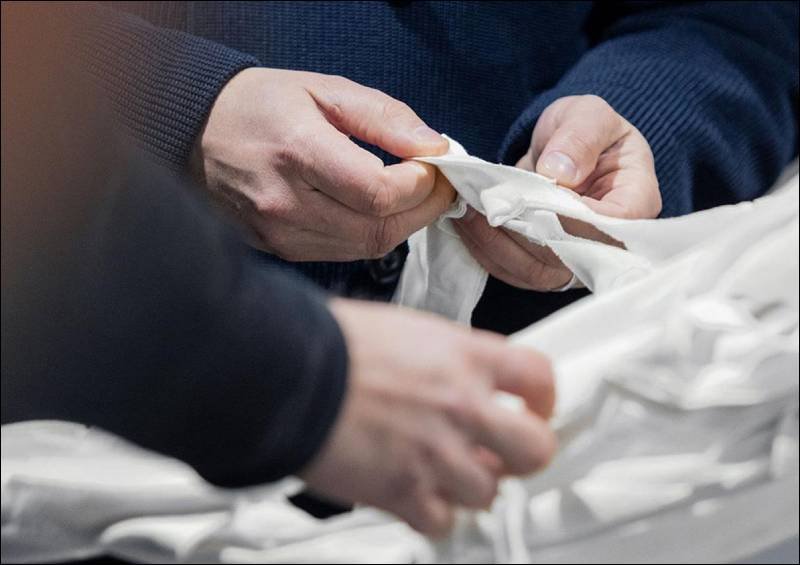
Circ, a textile-to-textile recycling technology company, has entered into a long-term partnership with international fashion retailer Primark to introduce recycled polyester made from textile waste into Primark clothing from 2029. The agreement is aimed at scaling the use of recycled fibres across Primark’s clothing range while reducing the retailer’s reliance on virgin
Ralph Lauren Corporation has reported a 42% reduction in absolute greenhouse gas emissions from its FY20 base year as the company completed the first year of its Timeless by Design 2030 global citizenship and sustainability strategy. The US fashion and lifestyle company said it made progress across four key areas – industry collaboration, natural resource […]
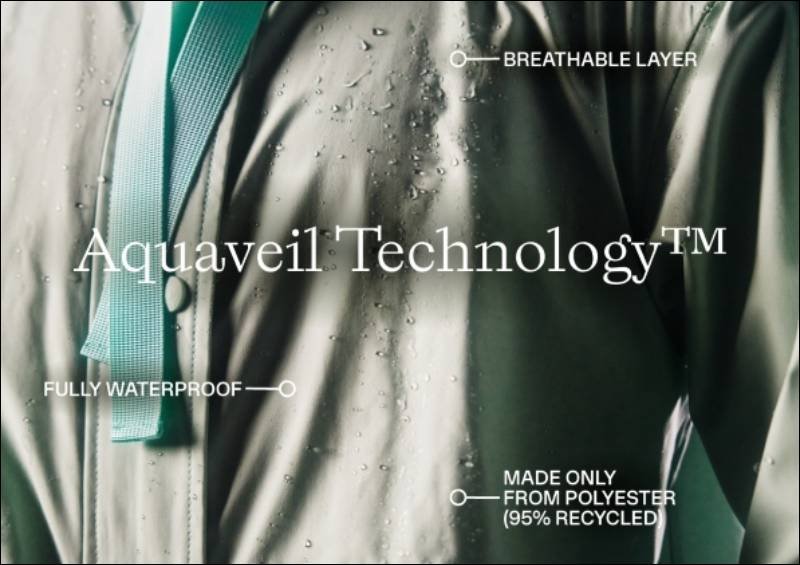
BAM has introduced its Any Weather Mac, a lightweight longline outerwear piece designed to combine weather protection, versatility and circularity. The mac features a slightly sporty silhouette with hidden cinching and adjustable cuff details, allowing wearers to customise the fit. Designed for rainy commutes, outdoor walks and changeable weather conditions, the coat is
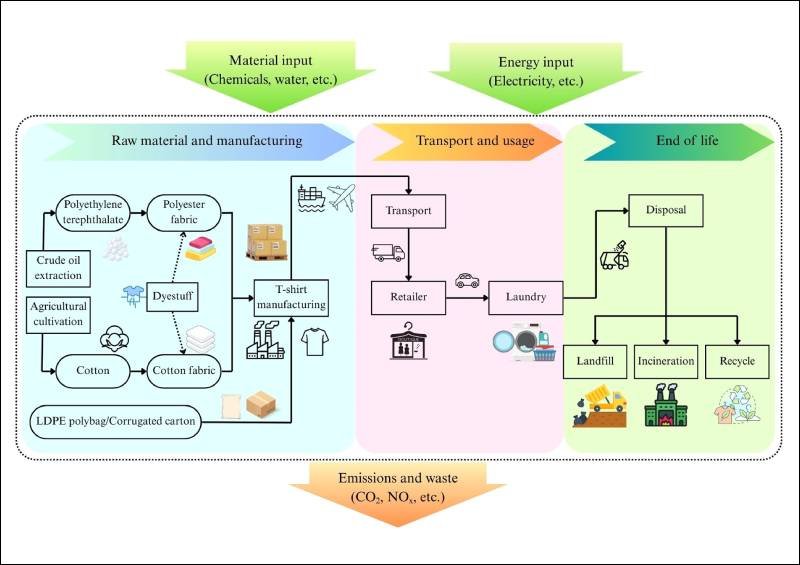
A new study led by Concordia University has found that extending the lifespan of garments and replacing air freight with sea transport could significantly reduce the environmental impact of fast fashion. The study examined the full life cycle of cotton and polyester T-shirts, assessing environmental impacts at various stages, including fibre production, garment
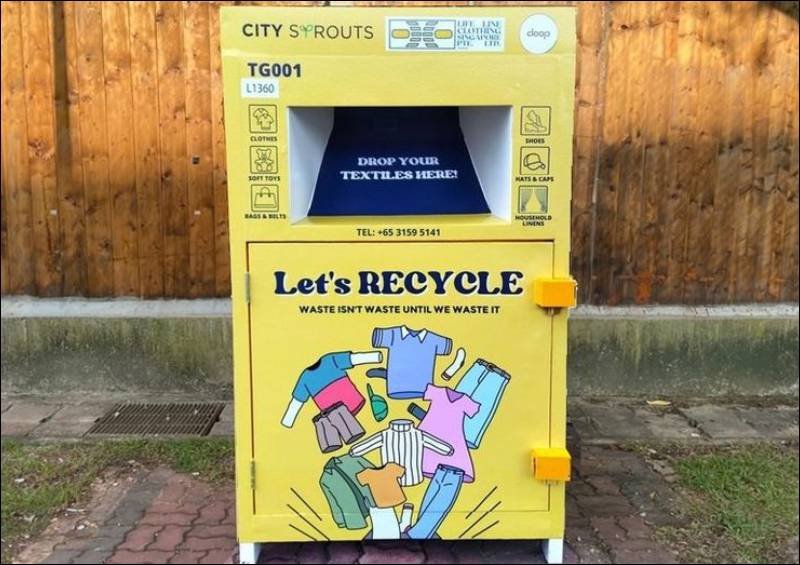
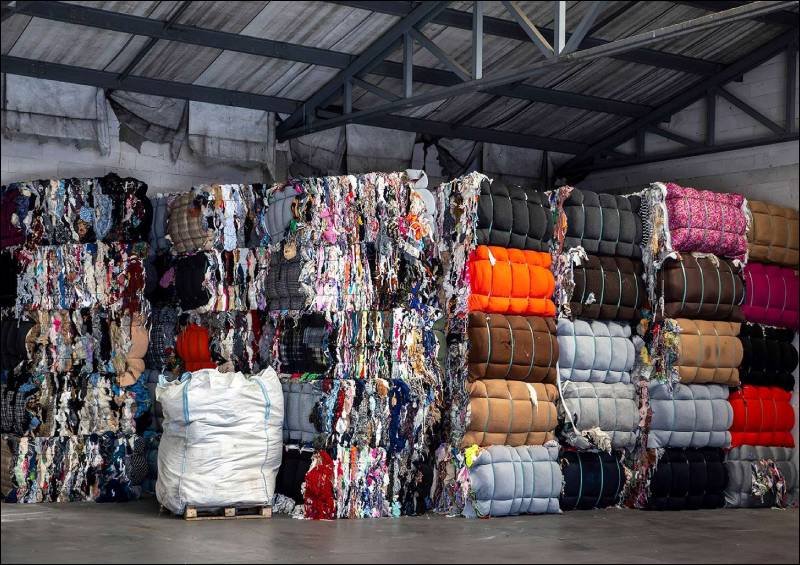
Singapore is sending up to 70 tonnes of unwanted clothing to Malaysia every week through a cross-border textile recovery partnership aimed at giving discarded garments a second life. The initiative, involving social enterprise Cloop and Malaysian textile recovery company Life Line Clothing, highlights both the growing scale of textile waste and the challenges of managing
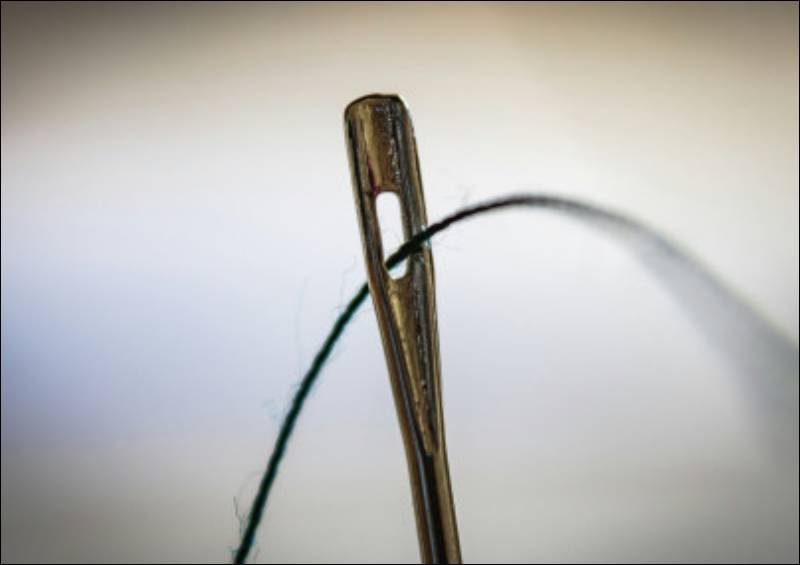
A new clothing repair school in France is placing garment repair at the centre of fashion education, combining traditional craftsmanship with modern techniques to develop skills that can extend the life of clothing. The initiative reflects the growing importance of repair, alteration and garment maintenance as fashion brands and retailers expand after-sales services and
European Commission Study Highlights the Promise and Challenges of Closing the Loop on Textile Waste As the global textile industry races to meet ambitious sustainability targets, chemical recycling is increasingly being viewed as a critical technology for achieving true circularity, particularly for polyester-based textiles. A new report from the European Commission’s
Chinese researchers have developed a novel living textile derived from Cordyceps militaris, a medicinal fungus widely used in traditional Chinese medicine that can self-clean, self-repair and completely biodegrade within 41 days. The breakthrough, published in Science Advances on July 27, 2026, could open new possibilities for circular fashion and sustainable textile
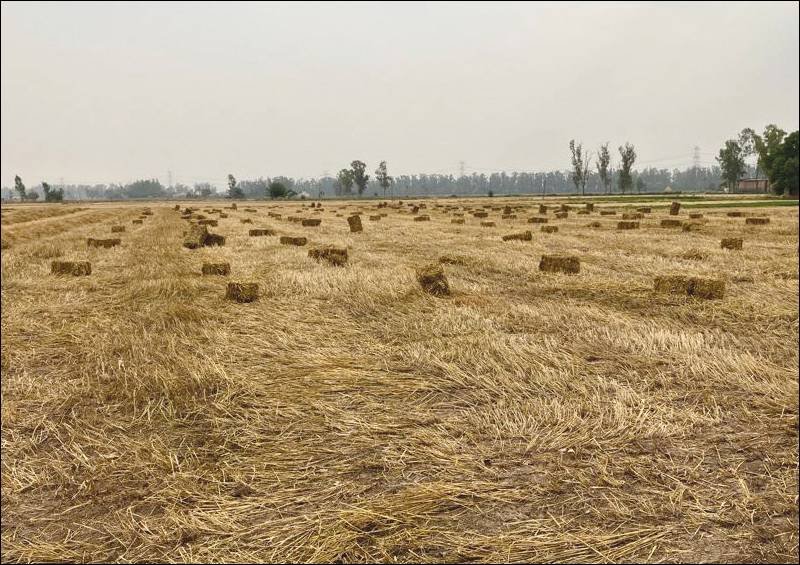
By turning farm waste into fashion-grade fibre, Project Latvus offers a glimpse into a forest-free future for textiles. The fashion industry is standing at a critical crossroads. As global demand for sustainable materials intensifies, brands are increasingly shifting away from petroleum-based synthetics and searching for lower-impact alternatives. Yet this transition