There’s Huge Demand For Denim, It’s a Forever Product: Suketu Shah
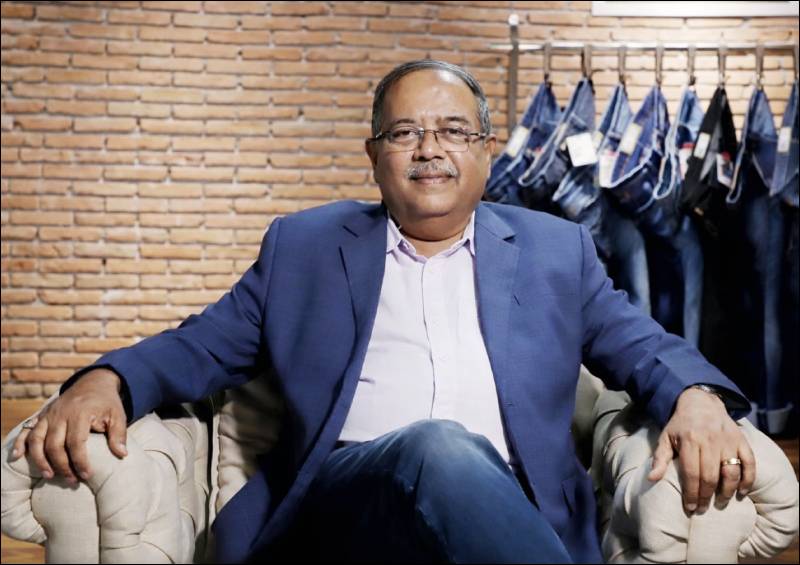
From its rugged beginnings as a workwear fabric in the late 1980s to becoming a wardrobe essential across generations, denim in India has undergone a remarkable transformation. In this candid conversation with Henry Dsouza, Associate Editor of Textile Insights, Suketu Shah, reflects on the industry’s evolution, Gujarat’s dominance, the gaps in global competitiveness and why denim continues to thrive as a timeless, ever-relevant fashion category.
Denim in India has travelled a long road from being a rugged, workwear essential to becoming a universal fashion statement. Reflecting on this transformation, Suketu Shah notes that when denim first entered the Indian market in the late 1980s, it was perceived as a very heavy rugged fabric meant for miners and industrial workers, something durable not fashionable.
Over time, however, the category underwent a remarkable evolution. “Open-end yarns gave way to ring yarns and suddenly denim became softer, more wearable. That’s when the shift truly began,” he explains. The early efforts to build a denim ecosystem were equally critical. “Nobody wanted to stitch denim back then, it required heavy-duty machines, needles would break. We had to train tailors across cities. That groundwork helped create the industry we see today,” says Shah.

From a utilitarian fabric, denim steadily transformed into a lifestyle essential. Today, Shah describes it as a product for all seasons, all occasions. You travel in it, you work in it, you celebrate in it, it makes you feel young, energetic and confident.” Washing innovations and international exposure further accelerated this shift, bringing new finishes, textures and aesthetics into the Indian market.
Despite periodic concerns about demand cycles, Shah remains clear: “Denim is not going anywhere. There is still a huge demand. It’s a forever product.” He even shares a personal anecdote to underline its comfort and versatility, “I’ve worn the same pair of jeans continuously for six days and felt no discomfort. That’s the beauty of denim.”
He also emphasizes the unique character of indigo-dyed denim. “The real beauty comes when you don’t over-wash it. With usage, it fades naturally, creating a shade that is uniquely yours. That’s something no other fabric offers.”
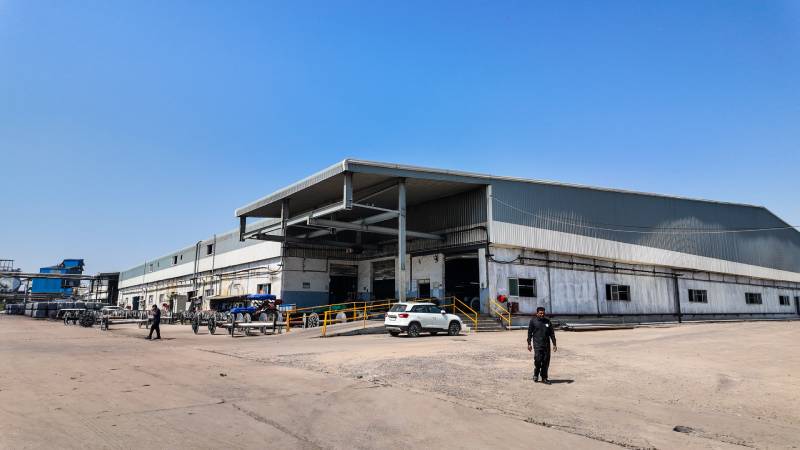
Gujarat’s dominance in India’s denim landscape, contributing nearly 60–70% of production, is no coincidence. Shah points this to a combination of early industrial momentum and supportive infrastructure. “Ahmedabad already had a strong textile mill culture. When denim came in, many process houses transitioned into denim manufacturing. Add to that government incentives, power subsidies and common effluent treatment facilities, it created a strong ecosystem.”
While India is firmly positioned as a global denim hub, Shah points out a critical gap in garmenting. “We are strong in fabric, but weak in large-scale garmenting. Countries like Bangladesh, Vietnam and Morocco have massive garmenting capacities, which makes them more competitive globally,” states Shah. This imbalance often leads to a fragmented supply chain. “Fabric may be made in India, but garments are stitched elsewhere. That’s the missing link if we want to scale globally,” he adds.
Interestingly, domestic demand has also contributed to this gap. “We are a large consumption market. When your product sells well locally, there is less urgency to push aggressively into exports,” he observes, contrasting this with countries like Pakistan. “They don’t have significant domestic consumption, so they’ve built strong export-driven garmenting capabilities.”
On global trends, Shah believes denim growth remains steady rather than explosive. “It grows at around 5% CAGR. Volumes shift between countries based on policies and product mix, but overall demand remains consistent.” However, current geopolitical uncertainties have made planning more challenging. “There’s a lot of unpredictability in raw material prices, conflicts and sudden changes. Long-term forecasting has become difficult. Right now, it’s more about staying agile in buying, selling and adapting.”
Turning to Vishal Fabrics, part of the Chiripal Group, Shah traces its journey from a process house established six decades ago to a significant denim player today. “We entered denim in 2003 and gradually expanded across segments. Today, we operate at around 40 lakh metres per month, largely on a make-to-order basis, with about 10–15% exports.”
Sustainability, he stresses, is no longer optional. “Without sustainability, you cannot survive.” At Vishal Fabrics, this translates into concrete action. “We recycle up to 97% of our water through zero-liquid discharge systems. We use solar and wind energy alongside grid power. These are not just initiatives, they are part of our operational DNA.”
Technological advancements have also helped reduce environmental impact. “The shift from powder to liquid indigo has significantly reduced chemical usage and improved efficiency. Water recycling systems are now integrated into multiple stages from dyeing to finishing.”
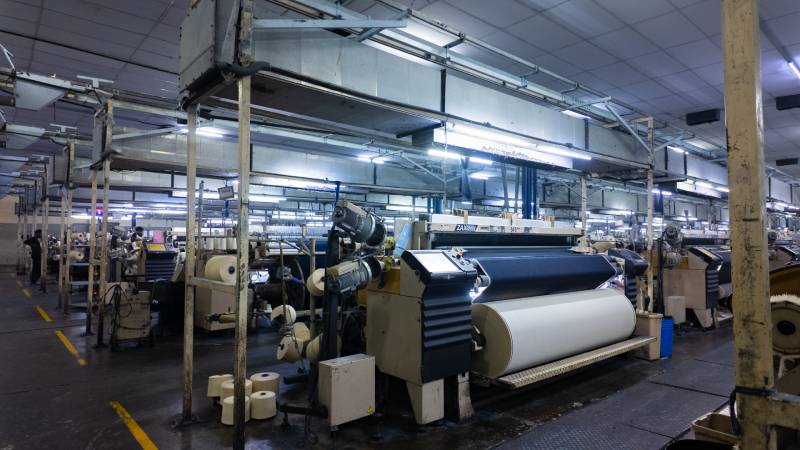
When it comes to compliance and certifications, Shah highlights a clear divide between domestic and export markets. “Global brands demand stringent ESG compliance and traceability. Domestic requirements are there, but not as extensive.” He adds that achieving global certifications is a gradual process. “It takes multiple audits and time, you build it step by step.”
On the influence of Gen Z, Shah believes aspiration and aesthetics drive consumption more than material innovation. “They are inspired by what they see, i.e. celebrities and influencers. The look and feel matter more than technical changes in fabric.” While recycled materials like recycled cotton and polyester are gaining traction, he notes that organic and alternative fibres are still not mainstream in denim.
Looking ahead, Shah predicts a more value-driven growth strategy for Vishal Fabrics. “We may not necessarily increase volumes, but we want to expand our presence in exports and branded segments. Ultimately, it’s about value, not just scale.”
He concludes with a message that reflects both conviction and experience, “Denim has been growing steadily for decades and it will continue to do so. It’s a timeless product. If you are in this industry, be passionate because denim is here to stay.”