‘Today’s Consumer Is Looking For A Balance Of Price, Fashion And Convenience’
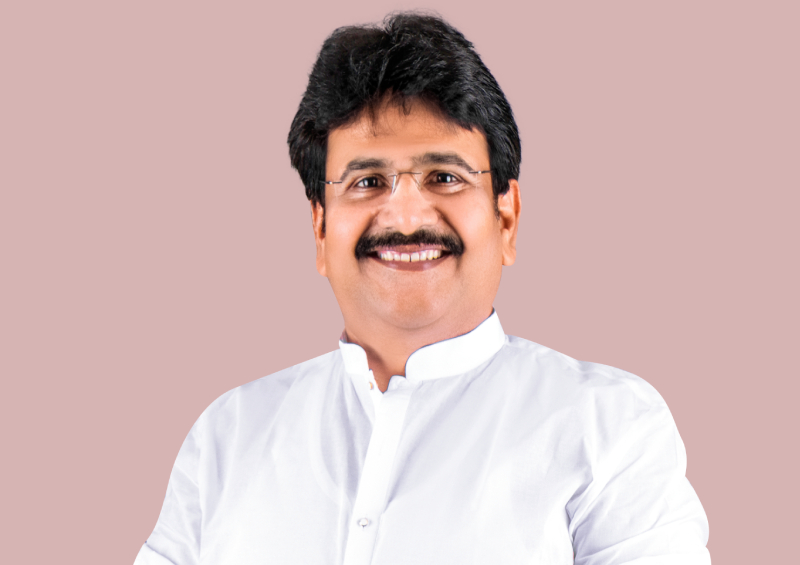
Operational efficiency, consistent product quality and a scalable distribution network have helped Ajmera Fashion maintain steady growth even in a competitive environment, says Ajay Ajmera
How has your journey from founding the company in 1992 to building Ajmera Fashion influenced and shaped the DNA of the company today?
My journey began on the ground as a salesperson in Surat’s textile markets, which gave me deep exposure to the realities of the industry, especially the challenges faced by small retailers. When I formally built Ajmera Fashion, the vision was clear: create a system that reduces uncertainty for retailers and brings structure to an otherwise fragmented market.
Today, that experience reflects in our DNA, focused on trust, consistency, accessibility and long-term relationships, rather than short-term transactions.
What has been the secret to winning trust in Tier-2 and Tier-3 cities and rural India?
Trust in these markets is built through consistency and reliability. Retailers value dependable supply, stable pricing and predictable quality more than anything else. We have focused on maintaining transparency in dealings, ensuring timely delivery and staying closely connected with our partners.
Over time, this consistency has helped us build strong relationships, where retailers see us not just as suppliers but as long-term business partners.

Your franchise-led model has scaled-up rapidly. What makes it attractive for small retailers and entrepreneurs?
The biggest attraction lies in reducing entry barriers. Many aspiring entrepreneurs hesitate to enter retail due to lack of structured sourcing, branding and operational clarity. Our franchise model provides a ready ecosystem, curated product lines, backend supply support and standardized processes.
This allows partners to focus on sales and customer relationships while we manage the complexities of sourcing and inventory, making the business more predictable and scalable.
What are today’s consumers really looking for in ethnic wear — price, fashion or convenience?
Today’s consumer is looking for a balance of all three. Fashion is important, but it must be accessible in terms of price and easy availability. Convenience has become equally critical, especially with faster buying cycles and increased exposure to trends.
Consumers want value products that combine design, affordability and availability without compromising on quality.
From sarees to menswear, how do you balance tradition with evolving fashion trends?
The key lies in understanding that tradition and modernity are not opposites, they complement each other. We retain the core cultural elements of ethnic wear while adapting designs, colours and patterns to suit contemporary preferences.
Continuous market feedback and design adaptation help us stay relevant while preserving the essence of traditional Indian textiles.
How are exports shaping your brand story and where are you seeing the strongest global demand?
Exports have played an important role in expanding our perspective as a brand. Serving international markets pushes us to meet higher standards in quality, consistency and compliance.
We are seeing strong demand in regions such as the US, the Middle East and parts of Africa, where Indian ethnic wear continues to have cultural relevance as well as growing fashion appeal.
What’s driving your steady revenue and profit growth in an increasingly competitive market?
Our growth is driven by a combination of structured operations and strong partner relationships. Instead of focusing only on expanding volumes, we have built a system that ensures repeat business and long-term engagement with retailers.
Operational efficiency, consistent product quality and a scalable distribution network have helped us maintain steady growth even in a competitive environment.
With IPO plans underway, how do you see Ajmera Fashion evolving over the next five years?
Over the next five years, we aim to strengthen our position as a structured fashion ecosystem rather than just a manufacturing company. This includes expanding our retail network, deepening our presence across emerging markets and increasing our reach in larger urban centres.
Technology integration, stronger supply chain systems and continued focus on entrepreneur enablement will be the key drivers as we scale. The goal is to build a platform that connects manufacturing strength with widespread retail participation across India and beyond.