Belize Initiative Explores Sargassum Seaweed As Sustainable Textile Raw Material
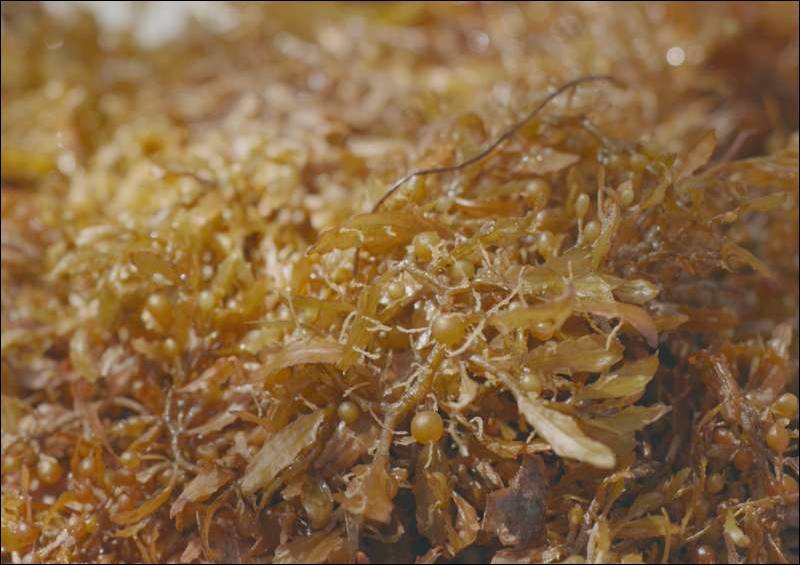
A new partnership between marine scientists and textile innovators is seeking to transform invasive sargassum seaweed from an environmental challenge into a sustainable resource for the textile industry.
The collaboration brings together Black in Marine Science (BIMS), an international network of marine scientists, and the Black Fiber & Textile Network (BFTN), a collective focused on sustainable and regenerative fibre solutions. The partners aim to develop textile and fibre applications from sargassum, a seaweed that has increasingly affected Caribbean coastlines in recent years.
The initiative is centred around Bloom to Business, a community-based programme in Belize that focuses on collecting, processing and repurposing sargassum. Rather than treating the seaweed as waste, the programme is exploring opportunities to convert the material into value-added products while creating economic opportunities for local communities.

Under the project, residents are being trained to participate in seaweed collection and environmental monitoring activities, supporting both coastal management efforts and workforce development. The harvested sargassum is then processed and evaluated for use in a range of applications, including fibre and textile products.
The initiative builds on earlier efforts that have already produced prototype applications such as organic fertilisers, artwork and beach restoration materials. Project partners now see significant potential for expanding the use of sargassum into sustainable textile supply chains.
According to the organisations, the project aims to address multiple sustainability challenges simultaneously by reducing coastal pollution, creating alternative raw materials for the textile sector and generating livelihood opportunities within local communities.
The collaboration also highlights growing industry interest in bio-based fibres as brands and manufacturers seek alternatives to synthetic materials. By converting an abundant natural resource into textile inputs, the initiative could contribute to reducing environmental pressures associated with conventional fibre production while supporting circular economy objectives.
Beyond product development, the partners believe the project can deliver wider benefits through job creation, cleaner coastal environments and stronger community participation in environmental stewardship.
As the textile industry continues to explore renewable and regenerative raw materials, the Belize initiative demonstrates how environmental challenges can be transformed into innovative opportunities across both marine and textile ecosystems.