
India-EU FTA On Track For December Signing
India’s textile and apparel industry could be among the biggest beneficiaries of the proposed India-European Union Free Trade Agreement (FTA), which is expected to be signed by December 2026 and come into effect by February-March 2027.
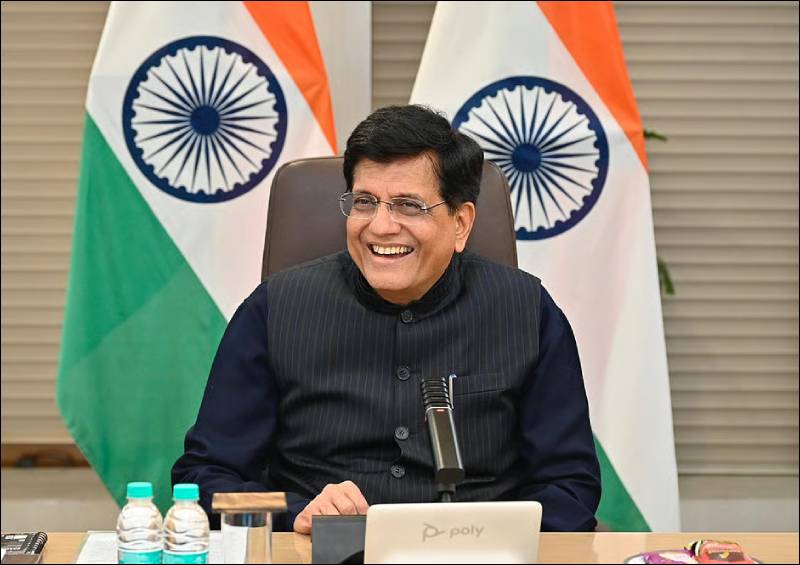
Announcing the timeline during an interaction with chartered accountants in Mumbai, Union Commerce and Industry Minister Piyush Goyal said the agreement would open up unprecedented opportunities for Indian exporters in the European market.
“With almost zero duty, nearly the entire European market will be open for us. The EU’s FTA will be signed by December and will be effective by February-March,” Goyal said.

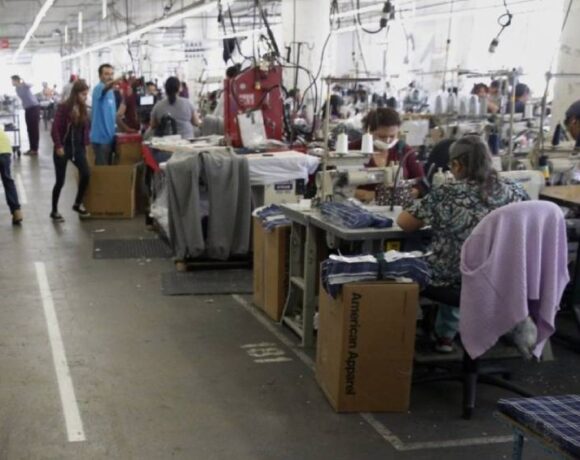
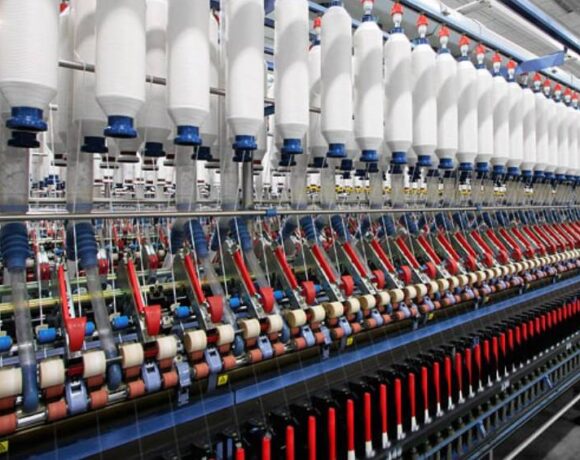
The European Union is India’s second-largest export destination for textiles and clothing, accounting for a significant share of the country’s apparel, home textiles, made-ups, yarn, and fabric exports.
Industry experts believe the FTA could significantly enhance India’s competitiveness in the EU market by eliminating import duties on a large proportion of Indian products. Currently, Indian textile and apparel exports face tariffs that range from 8% to 12%, while competitors such as Bangladesh enjoy duty-free access under preferential trade arrangements.
The proposed agreement is expected to provide duty-free access to nearly 93% of India’s exports to the 27-member European bloc, potentially creating a level playing field for Indian exporters.
The move is likely to benefit key textile manufacturing hubs including Tiruppur, Surat, Ludhiana, Panipat, Bhilwara, Coimbatore and the National Capital Region, while also encouraging fresh investments across the textile value chain.
The India-EU FTA is being regarded as one of the most consequential trade agreements negotiated by India in recent years. Together, India and the European Union account for nearly 25% of global GDP and approximately one-third of global trade.
For India’s textile sector, which is targeting exports of US$ 100 billion by 2030, the agreement could serve as a critical catalyst by improving market access, attracting foreign investment and strengthening integration into global supply chains.
The successful conclusion of negotiations was announced on January 27, 2026, with policymakers describing the pact as the “mother of all trade deals” due to its economic and strategic significance.