
India Growth To Ease to 6.6% In FY27: World Bank
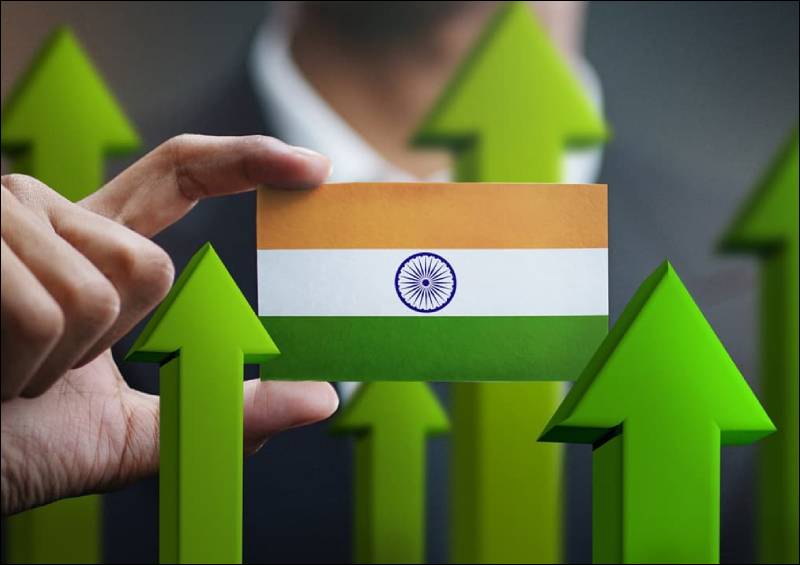
India’s economic growth is projected to moderate to 6.6% in FY27, as elevated energy prices and supply chain disruptions linked to tensions in the Middle East weigh on overall activity, according to the latest update from the World Bank. Despite the expected slowdown, the country is set to remain one of the fastest-growing major economies globally.
In its India Development Update, the World Bank highlighted that strong macroeconomic fundamentals are likely to cushion the impact of external shocks. Robust foreign exchange reserves, relatively low inflation, predominantly rupee-denominated public debt, a stable financial sector and ongoing trade diversification efforts are helping reinforce economic resilience.
Paul Procee emphasised that accelerating private sector-led growth will be key to sustaining momentum and expanding employment opportunities. He noted that achieving the vision of Viksit Bharat will require a predictable, business-friendly environment to unlock investments across critical sectors such as energy, infrastructure, manufacturing, tourism, healthcare and agribusiness.
The report complements the South Asia Economic Update, which projects regional growth to slow to 6.3% in 2026 from 7% in 2025, largely due to disruptions in global energy markets. Growth is, however, expected to rebound to 6.9% in 2027, with South Asia continuing to outperform most other emerging markets.
The regional analysis also examines the increasing use of industrial policy across South Asia. While governments in the region are deploying such measures at a higher rate than their peers, outcomes have been uneven.
According to Franziska Ohnsorge, the mixed results stem from constraints such as limited implementation capacity, restricted fiscal space and smaller domestic markets in some countries. She suggested that alongside broad-based reforms, targeted and well-designed industrial policies such as industrial parks, skill development initiatives, improved market access and higher export standards can help address specific market gaps.
The report highlights that a combination of sector-focused interventions in areas like urban development, tourism and digital services, along with improvements in regulatory predictability and state capacity, will be essential to drive investment, boost productivity and generate jobs across the region.