
Shahi Exports Outlines Comprehensive Strategy To Tackle Heat Stress
Shahi Exports has outlined a comprehensive strategy to tackle rising heat stress across its manufacturing operations, calling for greater collaboration between brands and suppliers as climate change reshapes working conditions in the apparel industry.
With more than 50 manufacturing facilities and a workforce of over 100,000 employees, the company said thermal comfort has become an operational priority rather than a seasonal concern. According to the company, climate change has altered baseline temperatures, making heat stress an everyday challenge that requires year-round interventions instead of emergency measures alone.
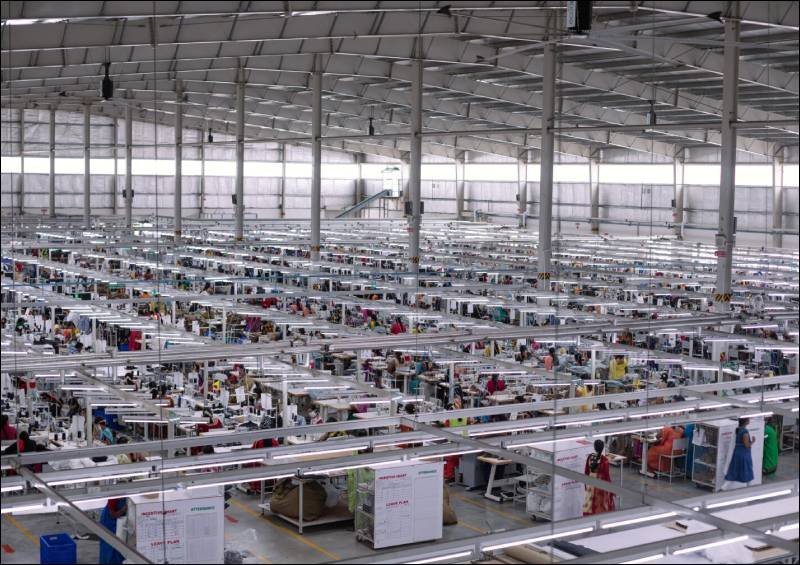
The company noted that factory temperatures can vary significantly across departments, with areas such as finishing sections experiencing higher humidity and wet-bulb temperatures than raw material warehouses. Shahi believes this makes standardised heat-stress guidelines difficult to apply uniformly across manufacturing facilities.

To improve working conditions, the company has incorporated heat mitigation into its Occupational Health and Safety Management (OHSM) framework. New manufacturing units are being designed with high ceilings, limited vertical stacking, green landscaping and energy-efficient infrastructure. Retrofitting older facilities includes the use of heat-reflective roof coatings, insulated roofing panels and improved ventilation systems.
Shahi said its transition to LED lighting has reduced average indoor shop-floor temperatures by 2.4°C while cutting electricity consumption by up to 50%. The company also reported that 68% of its electricity currently comes from renewable energy sources.
Beyond infrastructure upgrades, Shahi has introduced hyper-local temperature monitoring across production areas, flexible hydration and cooling breaks, enhanced medical preparedness, and worker awareness programmes. Employees are provided with oral rehydration salts (ORS), buttermilk and ragi malt during periods of high heat, while digital worker feedback through the company’s proprietary Inache platform enables employees to report heat-related issues in real time.
The company has also introduced additional safeguards for vulnerable groups, including pregnant employees, migrant workers living in company accommodation and children attending on-site crèches.
While highlighting its own initiatives, Shahi stressed that climate adaptation requires shared responsibility across the global supply chain. The company urged international brands to support long-term investments in cooling technologies and renewable energy while allowing greater flexibility in production schedules during extreme heat events.
According to Shahi, adapting manufacturing to rising temperatures will require sustained investment, transparent collaboration and practical solutions that prioritise worker safety alongside productivity and business continuity.