Environmental organisation Canopy has released its Hot Button Progress Report 2026, highlighting continued progress among man-made cellulosic fibre (MMCF) producers while pointing to the need for greater adoption of alternative, non-forest feedstocks. The 2026 update follows the 10th edition of
The International Textile Manufacturers Federation (ITMF) has announced the three winners of the ITMF Sustainability & Innovation Awards 2026, recognising innovative projects aimed at advancing sustainability, circularity and environmental performance in the textile industry. The winners will present their projects at the upcoming ITMF & IAF Conference 2026,
Lululemon has released its FY25 Impact Report, outlining progress across its People and Planet priorities and marking the first full year of reporting against its Impact Agenda 2030. The report details performance against the company’s impact goals, key milestones achieved during FY25 and areas where work remains underway as Lululemon advances its long-term commitments. On
Ralph Lauren Corporation has reported a 42% reduction in absolute greenhouse gas emissions from its FY20 base year as the company completed the first year of its Timeless by Design 2030 global citizenship and sustainability strategy. The US fashion and lifestyle company said it made progress across four key areas – industry collaboration, natural resource […]
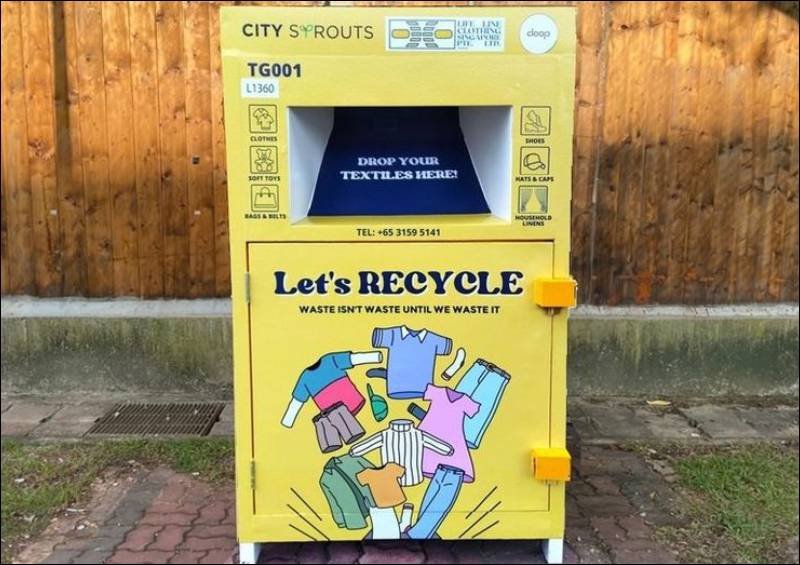
Singapore is sending up to 70 tonnes of unwanted clothing to Malaysia every week through a cross-border textile recovery partnership aimed at giving discarded garments a second life. The initiative, involving social enterprise Cloop and Malaysian textile recovery company Life Line Clothing, highlights both the growing scale of textile waste and the challenges of managing
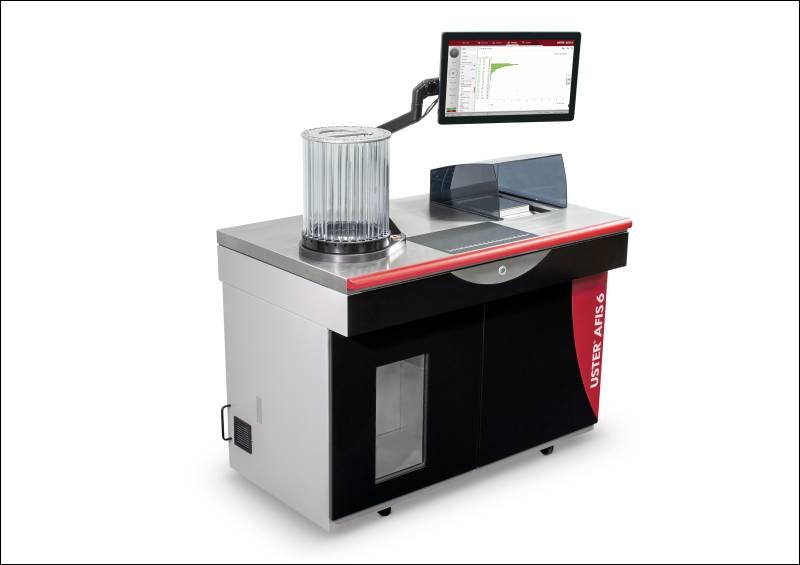
As the textile industry accelerates its shift towards circularity, mechanical recycling is gaining attention as a targeted approach to reducing textile waste and its environmental impact. Uster has developed the Recycled Fiber Matrix, a two-dimensional assessment tool for mechanically recycled fibers designed to guide optimum processing and end-use applications.
Reimagining Handloom for AI-Enabled Technical Textiles By Rony Banerjee I returned from Bharat Tex 2026 with optimism, but also with a familiar discomfort. Everywhere there was confidence. Technical textiles, sustainability, AI, circularity, traceability, ESG, exports, global markets. All the right words were there. India looked ready to speak the language of the future
Shruti Singh, Director – India, Canopy, on Bharat Tex 2026, the growing focus on sustainability and the need for greater coordination to scale next-generation materials The growing return of international buyers, stronger investor interest and deeper conversations around sustainability are among the key trends Shruti Singh, Director – India, Canopy, observed at Bharat Tex
Sustainability is no longer a niche agenda for India’s textile industry. As global markets demand greater transparency, traceability and environmental responsibility, circularity is emerging as a strategic imperative for the sector’s next phase of growth. India’s textile and apparel industry has long been one of the country’s most important economic pillars.