
India Notifies Rules Of Origin For UK Trade Pact
The Government of India has notified the Customs Tariff (Determination of Origin of Goods under the Comprehensive Economic and Trade Agreement between India and the United Kingdom of Great Britain and Northern Ireland) Rules, 2026, establishing the legal framework that will enable exporters to claim preferential tariff benefits under the India–UK Comprehensive Economic and Trade Agreement (CETA).
Issued by the Ministry of Finance through Notification No. 62/2026-Customs (N.T.), the Rules will come into force on July 15, 2026, the date from which the trade agreement is expected to become operational. The notification has been issued under Section 5 of the Customs Tariff Act, 1975.
The notification lays down the regulatory framework for determining the origin of goods traded between India and the United Kingdom, a fundamental requirement for availing preferential customs duties under the bilateral agreement. Only products meeting the prescribed Rules of Origin will qualify for tariff concessions, making compliance a key requirement for exporters seeking to benefit from the FTA.

The Rules also define the responsibilities of the competent authorities in both countries for issuing and verifying Certificates of Origin. In India, the Department of Commerce and notified agencies will issue Certificates of Origin for exports, while the Central Board of Indirect Taxes and Customs (CBIC) will oversee verification for imports.
Significance For The Textile Sector
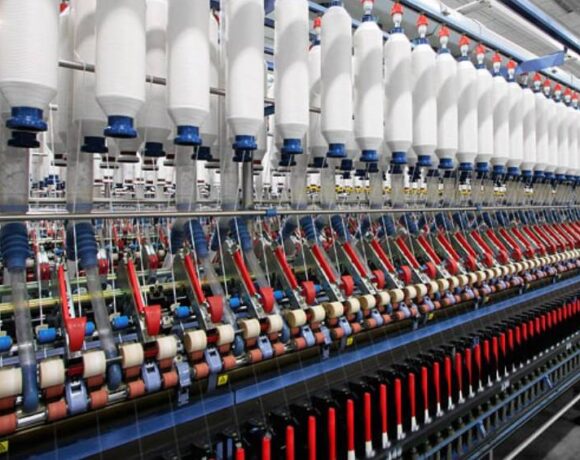
The notification is particularly significant for India’s textile and apparel industry, one of the largest beneficiaries of the India–UK trade agreement. The UK remains among India’s key export destinations for garments, home textiles, made-ups, carpets and fashion accessories, and the implementation of the Rules of Origin provides the operational clarity required for exporters to access preferential tariff treatment.
Industry stakeholders believe the Rules will encourage greater utilisation of the trade agreement by clearly defining eligibility criteria for tariff preferences. Exporters will, however, need to ensure strict compliance with origin requirements, maintain appropriate documentation and obtain valid Certificates of Origin to qualify for duty benefits.
The framework is also expected to strengthen transparency in customs administration by preventing misuse of preferential tariffs through third-country transshipment while ensuring that only genuinely originating products receive concessions under the agreement.
Boost To Bilateral Trade
The India–UK CETA is expected to deepen trade ties between the two countries by reducing tariff barriers across a wide range of products. For the textile and apparel sector, improved market access is expected to enhance India’s competitiveness against other major sourcing countries, create opportunities for export growth and encourage greater investment in value-added manufacturing.
With the Rules of Origin now notified, exporters can begin aligning their sourcing strategies, production processes and compliance systems ahead of the agreement’s implementation. The move is expected to facilitate smoother customs clearance, improve certainty for exporters and provide a strong foundation for expanding India’s textile exports to the UK in the coming years.