
U.S. Regen Cotton Pilot Reports Lower Emissions, Improved Water Efficiency
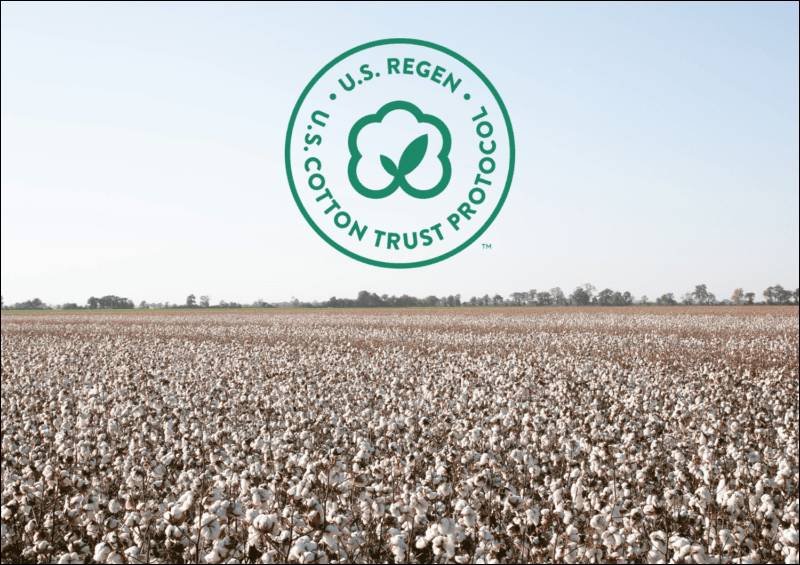
The U.S. Cotton Trust Protocol has released the first measured outcomes for U.S. Regen Cotton, reporting lower greenhouse gas emissions and soil loss, greater soil carbon sequestration and improved water-use efficiency against established baselines.
Announced at the Textile Exchange Conference in Vancouver, the findings draw on field-level data from 59,094 harvested acres across 469 fields in seven major U.S. cotton-growing states under the Field Partner Programme pilot.
According to the programme, U.S. Regen cotton recorded 20% lower greenhouse gas emissions, 30% greater soil carbon sequestration, 75% lower soil loss and a 49% improvement in water-use efficiency. Introduced in 2025, the offering builds on the Trust Protocol’s existing principles and criteria with additional regenerative requirements.

“Growers are making long-term investments in the health and productivity of their farms, while also adapting regenerative practices to their unique growing region,” said Marjory Walker, Co-Director of the U.S. Cotton Trust Protocol. “U.S. Regen supports those efforts through a consistent framework that measures outcomes, verifies practices and provides traceability to the bale. We’re pleased to see this programme expand from pilot to scaled availability for the 2026 cotton crop.”
For brands, the programme provides verified field-level data linked to sourced cotton, covering carbon removals, emissions, soil health, water quality and quantity, and biodiversity. Enrolled fields are monitored through remote sensing and scientific modelling to support company-level Scope 3 reporting.
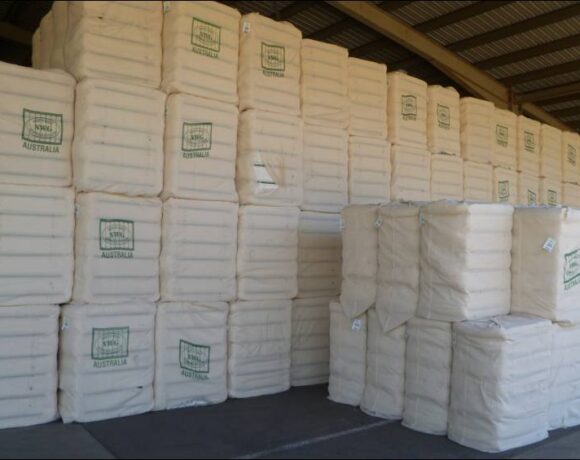
Traceability is provided through the Trust Protocol’s system, with each bale carrying a unique Permanent Bale Identification number authenticated by the United States Department of Agriculture. This enables cotton volumes to be tracked through the supply chain.
An updated Claims Framework also allows brands to use approved on-product claims identifying U.S. Regen cotton content in consumer-facing communications.
“The U.S. Regen offering is a direct outcome of hearing from brands that they are looking for regenerative cotton that is credible, practical and scalable,” said Liz Hershfield, Co-Director of the U.S. Cotton Trust Protocol. “U.S. Regen connects the work growers are doing on the ground with verified traceability to support brands’ sourcing goals.”
The cotton is marketed through Field Partner Programmes led by merchants, marketing cooperatives and self-marketing growers.
The baseline for reported reductions used Trust Protocol data, including fields without soil health practices. The carbon-removal baseline used a national measurement, reporting and verification dataset incorporating both regenerative and non-regenerative practices.